
Why Decodable Readers Matter for building your student’s Reading Fluency
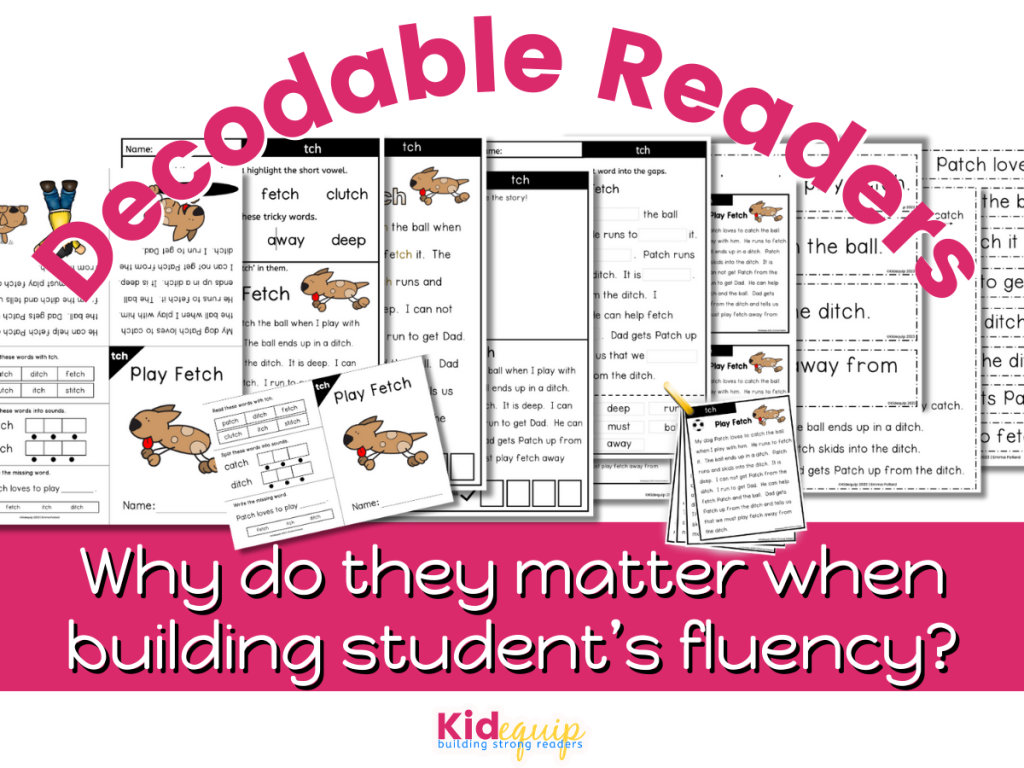
In this post I am going to be sharing why decodable readers matter and how I found out the hard way! When teaching children to read it is so important to choose the right books. Children need to sound out words, build fluency, and develop reading confidence. But what’s the real difference between decodable readers […]
Word-Mapping: A Must-Have Strategy for reading and spelling fluency.
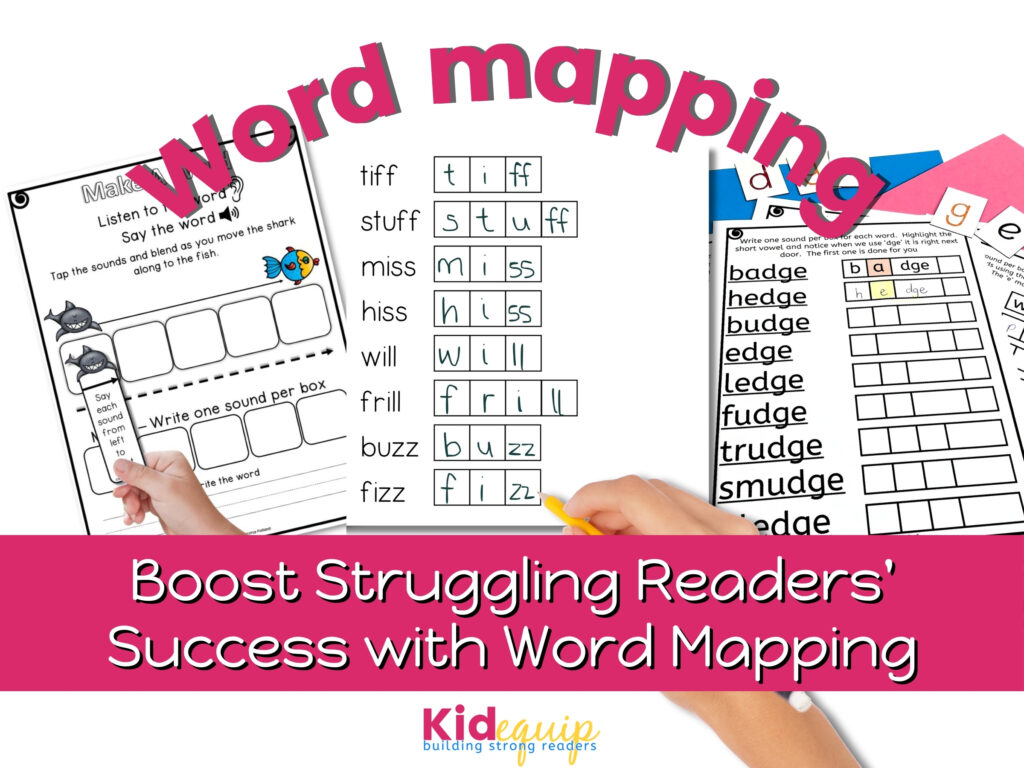
As a dyslexia interventionist, I’ve seen firsthand how transformative word mapping can be for struggling readers. In this blog post I will share why this strategy is so effective and give you some practical tips for using it in your lessons right away. Let’s dive in! Introduction to Word Mapping This powerful routine aligns with […]
How to explicitly teach the Floss Rule for spelling success
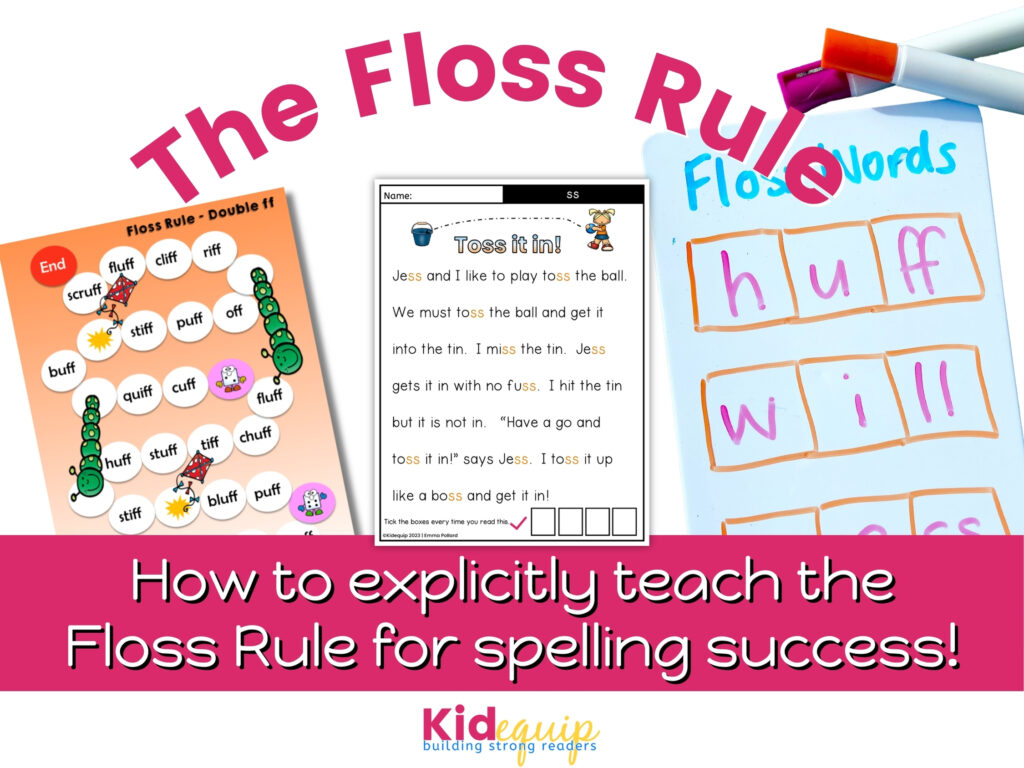
In this blog post I am going to break down what the floss rule is and how we can teach it explicitly to help our dyslexic and struggling students. Most adults have learnt to recognise when the spelling of a word ‘looks’ correct, not because they have memorised every word but because their brain has […]
Learn how to Unleash the Power of Orthographic Mapping for Reading Success
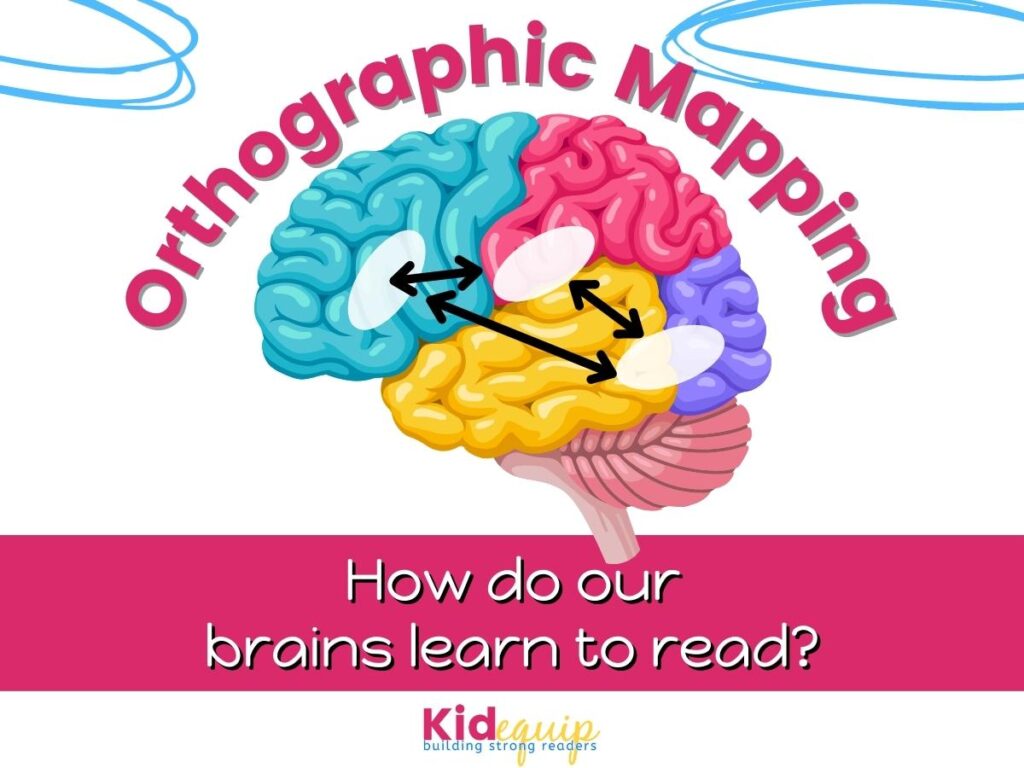
Have you ever heard of the term ‘Orthographic Mapping’ and wondered what it meant? All the jargon associated with the Science of Reading can be so confusing and it has taken me a while and lots of learning to get my head around it. Now that I have, I want to share with you how […]
How important is developing phonemic awareness for struggling readers?
Building a strong foundation in phonemic awareness is crucial for improving the reading and writing abilities of struggling readers. As someone who has helped many such children, I have found that phonemic awareness is hands-down the most essential skill that is often missing. Phonemic Awareness is one of the most important terms to understand when […]
Consonant digraphs, what they are, and how to clearly teach them?
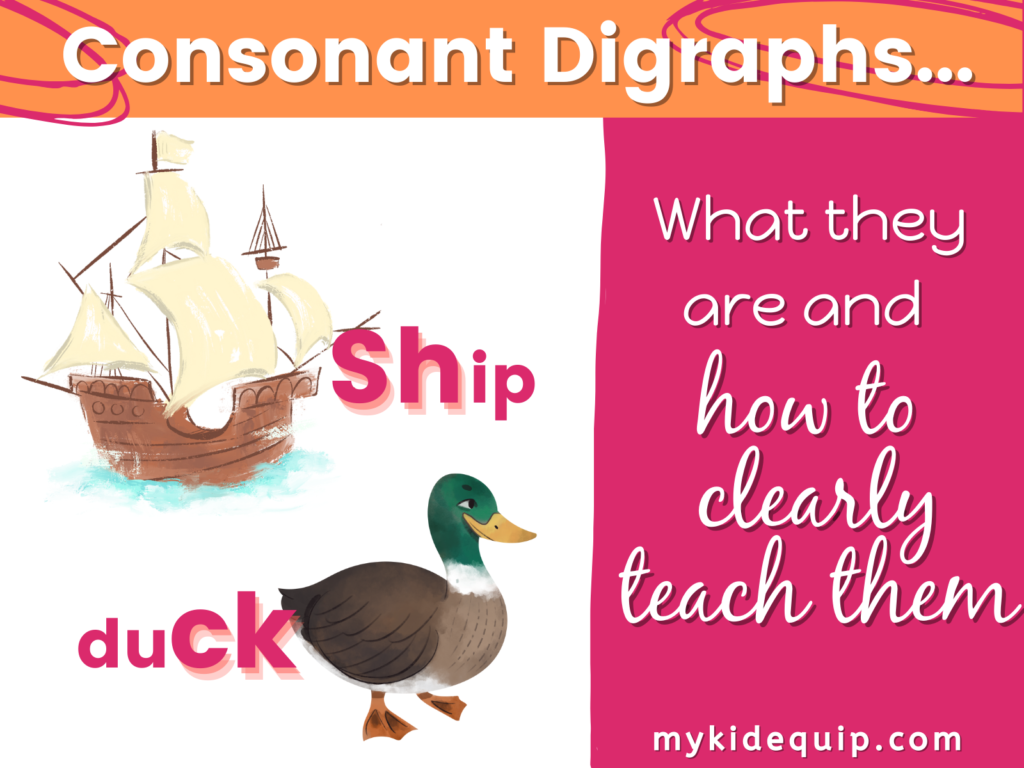
What are consonant digraphs? Consonant digraphs are when two letters combine to make one sound. They are the very next skill I teach after letter sounds and short vowel sounds. The most common consonant digraph examples are sh, ch, th, and wh. These are the digraphs that I would introduce first. Children need to be […]
Boost your reader’s confidence by teaching them how to divide a multisyllabic word.
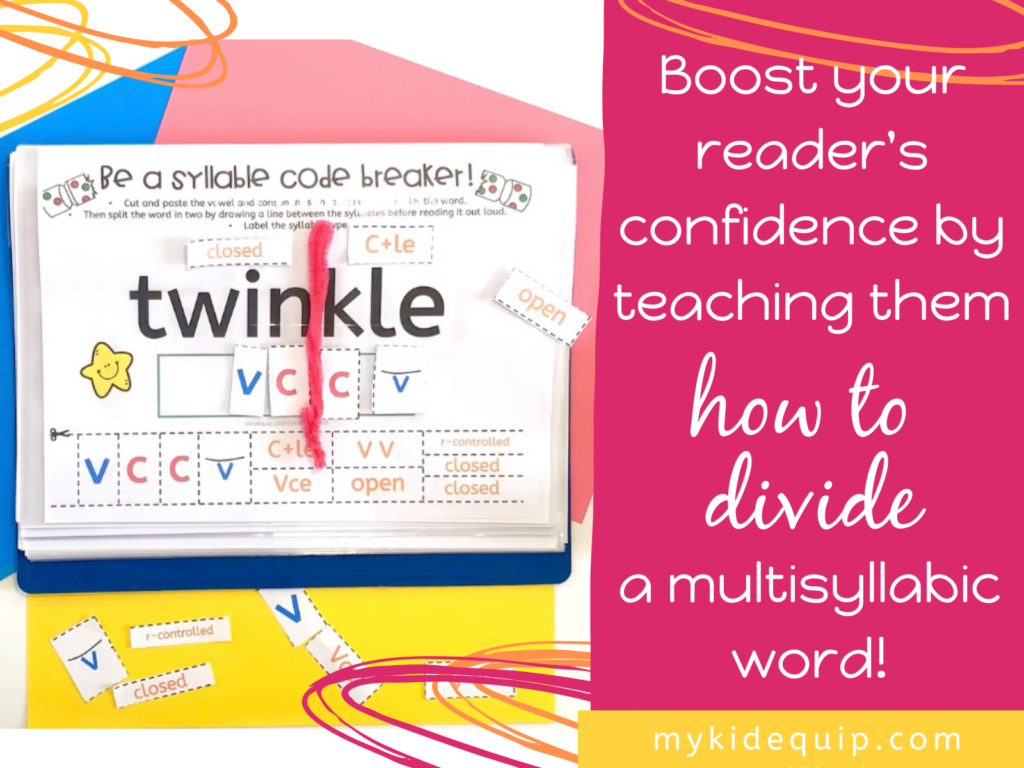
Have you ever learnt something that has completely changed the way you do things? This is how I felt when I learnt about syllable types and it has been a game changer for my students. If a struggling reader can see a multisyllabic word as a combination of syllables rather than a jumble of letters, […]